Lessons From the Shop
Starting Out Refinishing Furniture? Here's Some Tips I Wish I Knew When Starting
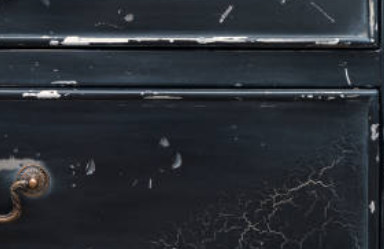
Why Your Paint Keeps Peeling (And It's Not the Paint's Fault)
If you've ever painted a piece, stepped back proud of your work, and then watched it chip off weeks later, you're not alone — and it's almost never actually the paint's fault.
Skipping or rushing the cleaning/degreasing step. Old furniture carries years of cooking grease, silicone furniture polish, hand oils, and wax. Paint doesn't bond to any of that — it bonds to clean wood or clean existing finish. Painting over invisible residue is the #1 reason beginner projects fail early.
The piece looks clean. There's no visible dust or grime, so it's tempting to skip straight to sanding or priming. But "looks clean" and "is clean enough for paint to grip" are two different things.
What is the fix?
- Wipe the entire piece down with a degreasing cleaner, not just a damp rag. I use Klean Strip TSP Substitute to thoroughly clean the furniture. I clean the outside and the inside (even the bottom) to be sure I'm getting all dirt, oils, waxes off and the surface is truly clean. This sometimes means I'm wiping it down 2-3 times.
- Let it fully dry.
- Do a quick scuff-sand afterward, then wipe away dust with a tack cloth before you open a single can of primer or paint.
Incorporate this routine each time, and you will find you have a very clean surface and your next step, sanding, will be a much smoother process!
Want to see the rest of the products I reach for on every project? Check out my full Refinishing Toolkit
Note: This post contains affiliate links. As an Amazon Associate, I earn from qualifying purchases, at no extra cost to you. I only recommend products I actually use in my own shop.